The Nature of Casino Games
Casino games are typically categorized into two types: games of chance and games of skill. Games of chance, such as slot machines and roulette, rely heavily on random outcomes that can be unpredictable. In contrast, games of skill, like poker and blackjack, allow players to leverage their knowledge, strategic thinking, and decision-making abilities to influence the outcome. Many players appreciate the options available for quick payouts, especially at places offering casino fast withdrawal services. This fundamental difference creates an intriguing landscape where the interplay between luck and skill can determine a player’s success.
Understanding the nature of casino games helps players strategize their approach to gaming. For instance, in games of chance, players may find themselves relying on luck, hoping for favorable outcomes with each spin or roll. Skill-based games challenge players to implement strategies that could potentially improve their odds over time, showcasing how depth of knowledge and experience can yield advantages that luck alone cannot provide.
The dichotomy between luck and skill becomes particularly salient when considering the long-term successes of players in a casino. While luck plays a vital role in determining short-term results, skilled players often find ways to minimize losses and maximize wins over time through careful analysis and tactical gameplay. Hence, understanding both elements is crucial for anyone looking to navigate the thrilling waters of casino gaming effectively.
The Role of Luck in Casino Gaming
Luck is often seen as the primary force in many casino games, particularly those that rely on random number generation or chance-based outcomes. Slot machines, for instance, operate entirely on luck; players pull a lever and hope for the best without any control over the outcome. This element of fate is thrilling for many, contributing to the excitement and unpredictability that keeps individuals returning to these games.
Even in games where players may believe skill plays a role, such as roulette, luck remains a dominant factor. The ball may land on any number, and the outcome is impossible to predict. Participants often engage in betting strategies that may enhance their experience, yet the outcome ultimately rests on chance. This is what makes many of these games alluring: the potential of hitting a jackpot or experiencing a lucky streak can be very compelling.

Consequently, players must recognize the limitations of relying solely on luck while engaging in casino games. While a lucky streak can lead to substantial wins, the inherent randomness can just as easily lead to significant losses. Understanding this balance is key for any player looking to enjoy their casino experience while managing their expectations and financial limits.
The Importance of Skill in Casino Gaming
Skill plays an indispensable role in many casino games, especially those that emphasize strategy, psychology, and probability. Poker, for example, is a game where understanding opponents’ behaviors and calculating odds can significantly enhance a player’s chances of winning. Here, skill can overshadow luck, as seasoned players often employ various strategies to outsmart and outplay their adversaries.
Moreover, games like blackjack offer players the opportunity to make decisions that influence the outcome of each hand. Players must decide when to hit, stand, or double down based on their hand and the dealer’s up card. This decision-making process introduces an element of skill that can greatly affect the success of a player over the long term. Knowledge of basic strategy can help players reduce the house edge, highlighting the importance of skill in fundamentally changing one’s fortunes.
Ultimately, while luck may dictate the immediate results of a gaming session, skill can ensure a more favorable long-term outcome. Players who take the time to learn strategies and develop their skills can navigate the gaming tables with more confidence, showcasing how knowledge can be as powerful as the randomness of luck. This understanding invites players to hone their craft and elevate their gaming experience.
The Balance Between Luck and Skill
The interplay between luck and skill is a defining characteristic of casino gaming. While games of chance primarily rely on luck, the strategic elements inherent in skill-based games demonstrate that players can influence outcomes through their decisions. The balance between these two factors varies from game to game, requiring players to adapt their strategies to maximize their advantages.
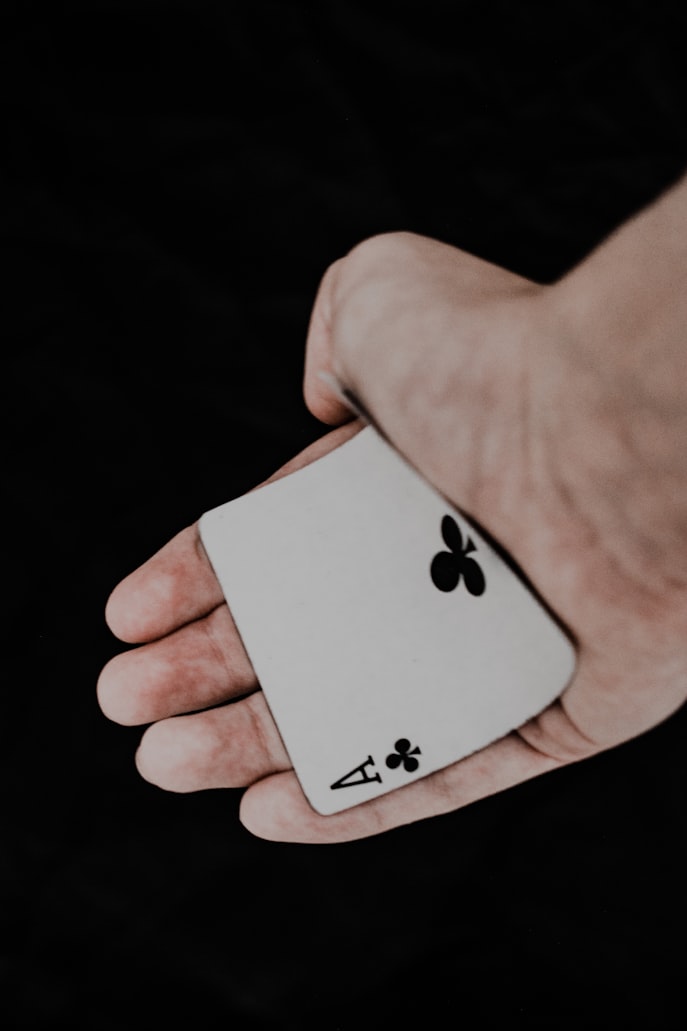
In many instances, successful casino gaming is about recognizing when to rely on luck and when to apply skill. For example, a player might enter a game of roulette with a strategy based on betting patterns, but ultimately, they must accept that luck will play a pivotal role in determining the game’s outcome. Meanwhile, players engaged in poker must maintain an acute awareness of their opponents and the decisions they make, balancing luck with strategic insight.
This balance is what keeps the casino experience engaging and dynamic. Players often find themselves reflecting on their feelings about chance and skill, a duality that makes each session unique. By embracing both elements, individuals can foster a more rewarding relationship with gaming, embracing the thrill of uncertainty while equipping themselves with the skills necessary to navigate the landscape effectively.
Finding Your Place in Casino Gaming
As you explore the intricate world of casino gaming, it’s essential to consider your own approach concerning luck and skill. Some players thrive on the unpredictability of chance, while others find satisfaction in mastering the techniques that can guide their decisions. Understanding where you fit within this spectrum can enhance your gaming experience and help shape your strategies moving forward.
Additionally, acknowledging that both luck and skill contribute to overall success can help you develop a balanced perspective on gaming. Rather than approaching casino games with an all-or-nothing mentality, try to recognize the value of each aspect while managing your expectations. This balanced mindset can prevent disappointment and encourage a more enjoyable experience, whether you’re rolling the dice or competing at the poker table.
Ultimately, the casino environment is designed for entertainment, and understanding the roles of luck and skill can enhance your enjoyment. By combining both elements and adapting your approach based on the nature of the game, you can create a fulfilling and rewarding gaming experience. Embrace the excitement, learn the strategies, and remember that every spin, shuffle, or deal holds the potential for both fortune and fun.